Quick answer
Fire protection equipment is any device or system used to detect a fire, warn people, control or put out the flames, or help people escape safely. Common examples include fire extinguishers, fire blankets, hose reels, hydrants, sprinklers, fire alarms and emergency lighting. In Australia, the National Construction Code and a building’s fire safety schedule set out what’s required, and most of it must be serviced regularly under AS 1851.
Walk through almost any building in Sydney and you’ll pass fire protection equipment without really noticing it. There’s an extinguisher by the stairs, a hose reel in the corridor, a detector on the ceiling and an exit sign over the door. Each item has a specific job, and together they give people time to get out and limit the damage a fire can do.
In this guide we explain what fire protection equipment is, the main types you’ll find in Australian buildings, what your building needs and the standards that apply. If you’re ready to get equipment supplied and fitted, our fire equipment installation team works with properties across Sydney.
What Is Fire Protection Equipment?
Fire protection equipment is the hardware a building relies on when a fire starts. Some of it is used by people, such as a portable extinguisher. Some of it works on its own, such as a sprinkler head or a smoke detector. Whatever the type, it does one or more of these jobs:
- Detect smoke, heat or flame as early as possible.
- Warn the people inside, and in some buildings the fire brigade.
- Control or extinguish the fire, either automatically or by hand.
- Guide people out with lighting and signs when normal power and visibility are lost.
You’ll also hear it called fire safety equipment or firefighting equipment, and those terms are generally used to mean the same thing. In NSW, the items required for a particular building are called essential fire safety measures, and they’re listed on the building’s fire safety schedule. That schedule also includes built-in elements such as fire doors and fire-rated walls. Our guide to active and passive fire safety systems explains how those two sides work together.
The Main Types of Fire Protection Equipment
Most fire protection equipment falls into four broad groups:
Portable Fire Extinguishers
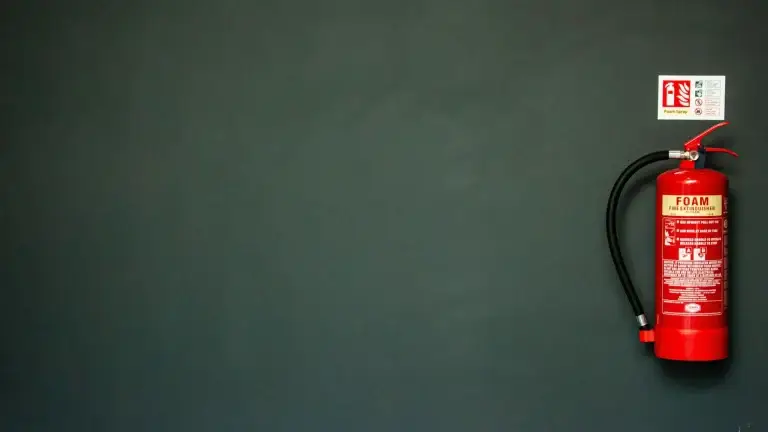
Extinguishers are the most familiar piece of fire protection equipment. They’re designed for small fires, and each type suits particular fuels, so the right one depends on the risk nearby. Our guide on fire extinguisher classes explains how to match them. Selection and placement follow AS 2444, and our fire extinguisher testing service keeps them in date.
Fire Blankets
A fire blanket smothers a small fire by cutting off its oxygen. They’re most useful in kitchens, staff rooms and workshops, where a small cooking oil or clothing fire can happen quickly. Regular fire blanket inspections confirm each one is in place, accessible and undamaged.
Fire Hose Reels
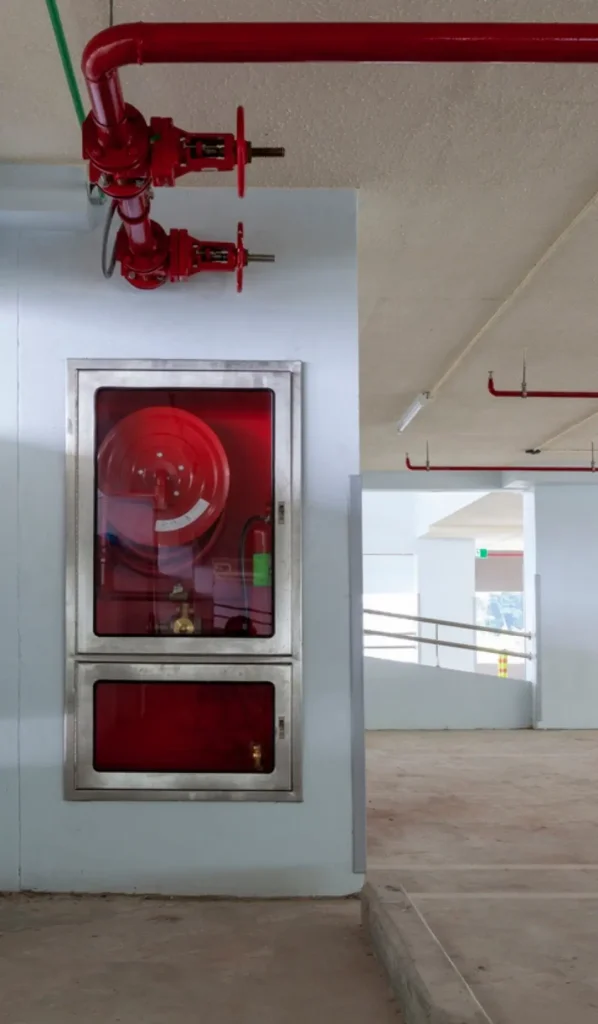
Hose reels give trained occupants a continuous supply of water for fires in ordinary materials such as paper, timber and fabric. They aren’t suitable for electrical or flammable liquid fires. They’re installed to AS 2441, and our fire hose reel testing checks water flow, leaks, hose condition and access.
Fire Hydrants
Fire hydrants give firefighters a strong water supply to fight a serious fire. Unlike a hose reel, a hydrant system is designed for the fire brigade rather than building occupants. Many larger buildings also have a booster connection, so fire trucks can raise the water pressure. Hydrant systems are designed and installed to AS 2419.1.
Sprinklers and Fire Suppression Systems
Sprinklers release water automatically when the heat from a fire activates an individual head, and they’re designed and installed to AS 2118.1. Where water isn’t suitable, such as a server room or a commercial kitchen, a specialised fire suppression system may be used instead.
Fire Alarms and Detection Systems
Detectors, call points, sounders and a fire panel work together to find a fire early and warn people. In many commercial and strata buildings, the system is installed to AS 1670.1 and can also signal the fire brigade. Our team handles fire alarm installation, along with dry fire systems for detection and warning.
Emergency Lighting and Exit Signs
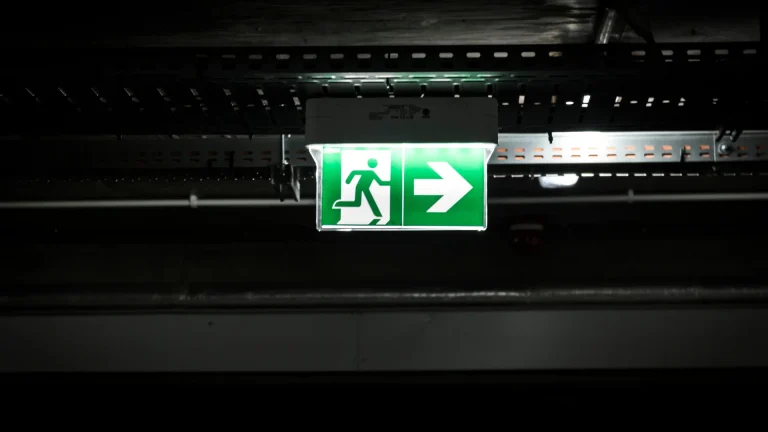
If a fire cuts the power, emergency lights and exit signs switch to battery so people can still see the way out. They’re installed to AS/NZS 2293.1 and need a discharge test every six months, which is covered by our emergency lighting testing.
What Fire Protection Equipment Does a Building Need?
There’s no single list that suits every property. The requirements depend on the building’s class, size, height and use, and they’re set by the National Construction Code and the development approval. For an existing building, the best place to start is the fire safety schedule, which lists every measure required and the standard it must meet. As a general guide:
- Houses: working smoke alarms are required by law. An extinguisher and fire blanket are sensible extras, and our residential fire protection team can advise on what suits your home.
- Apartment and strata buildings: usually smoke alarms in each unit, plus common area equipment such as extinguishers, hose reels, emergency lighting and exit signs. Larger and taller buildings often add alarm, hydrant and sprinkler systems.
- Offices and shops: typically extinguishers, emergency lighting and exit signs, with hose reels, hydrants, alarms or sprinklers depending on the size of the building.
- Warehouses and factories: equipment is matched to what’s stored and the processes on site, and larger floor areas often need hydrants and hose reels.
- Commercial kitchens: wet chemical extinguishers and fire blankets for cooking oil fires, often with a suppression system over the cooking equipment.
Changed how you use the space? A new fit-out, a change of tenant or storing different goods can change your fire risk. Equipment that suited the old layout may no longer be the right type or in the right place, so check it whenever a space changes.
Which Standards Apply to Fire Protection Equipment?
Australian Standards set out how each type of equipment is selected or installed, and how it’s maintained afterwards:
| Equipment | Selection or installation | Routine service |
|---|---|---|
| Portable fire extinguishers | AS 2444 | AS 1851 |
| Fire blankets | AS 2444 | AS 1851 |
| Fire hose reels | AS 2441 | AS 1851 |
| Fire hydrants | AS 2419.1 | AS 1851 |
| Sprinkler systems | AS 2118.1 | AS 1851 |
| Fire detection and alarm systems | AS 1670.1 | AS 1851 |
| Emergency and exit lighting | AS/NZS 2293.1 | AS/NZS 2293.2 |
The standard that applies to your building can depend on when it was approved, so always check the fire safety schedule to confirm the edition and requirements for each measure.
How Fire Protection Equipment Is Maintained
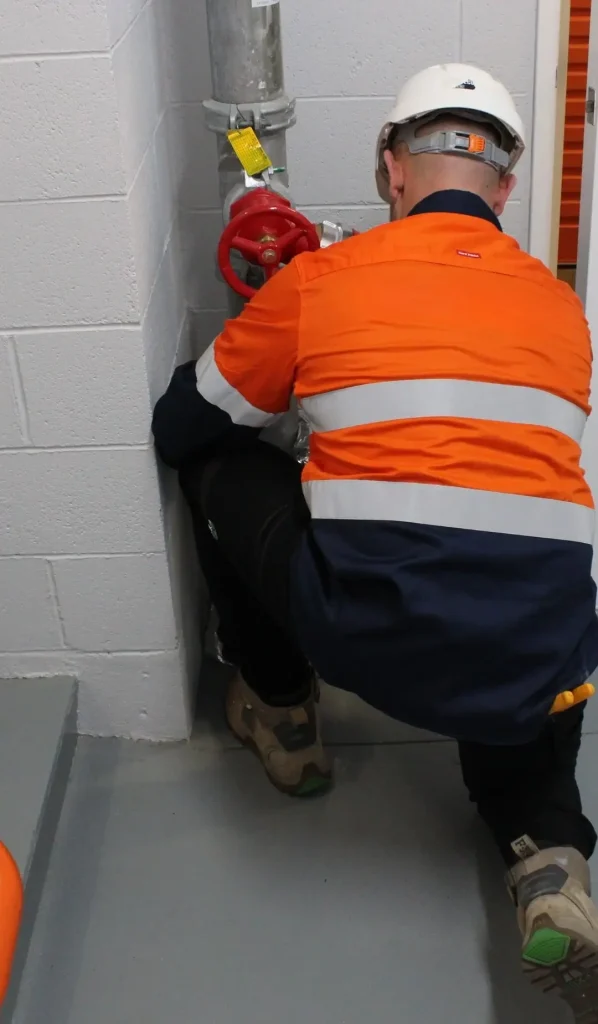
Fire protection equipment only helps if it works on the day it’s needed. AS 1851 sets out what must be inspected and tested, and how often, with most equipment serviced monthly, six-monthly or yearly. Results are recorded on tags and in logbooks, which then support the building’s yearly compliance. Our guide on annual fire inspections explains how that works in NSW, and our fire equipment inspection service keeps the records in one place.
Between services, it’s worth keeping an eye out for the problems we find most often:
- Blocked access: extinguishers and hose reels hidden behind stock, furniture or bins.
- Out-of-date tags: equipment that has missed its last service, or has no record of being serviced at all.
- The wrong type: an extinguisher that doesn’t suit the fire risk nearby, often after a change of use.
- Damage or tampering: broken seals, low pressure gauges, leaking hoses or missing blankets.
- Missing signs: equipment that people can’t find quickly in an emergency.
Frequently Asked Questions
What are examples of fire protection equipment?
Common examples include fire extinguishers, fire blankets, hose reels, hydrants, sprinklers, smoke and heat detectors, fire alarm panels, emergency lights and exit signs.
Is fire protection equipment a legal requirement?
Yes, for most buildings. The National Construction Code sets requirements based on the building’s class, size and use, and workplaces also have duties under work health and safety laws. In NSW, standalone houses must have working smoke alarms.
Who is responsible for maintaining fire protection equipment?
The building owner is generally responsible, which means the owners corporation in a strata building. Tenants and employers may have responsibilities too, depending on the lease and the workplace, so it’s worth confirming who looks after what.
How often does fire protection equipment need to be serviced?
It depends on the equipment. Under AS 1851, most items are serviced monthly, six-monthly or yearly, with some longer-interval tasks. Extinguishers, for example, are inspected every six months and pressure tested every five years.
Can I install fire protection equipment myself?
Simple items such as a home fire blanket or extinguisher are easy to mount, but equipment in commercial and strata buildings must suit the risk and meet the relevant standard. Systems such as alarms and sprinklers should always be installed by qualified fire protection technicians.
So, what is fire protection equipment? It’s everything from the extinguisher on the wall to the sprinklers overhead, all working to detect a fire, control it and get people out safely. If you’d like the equipment in your building checked, upgraded or installed, the team at VQS Fire can help.