Quick answer
To disable a fire alarm at home, first check there is no fire, then press the hush or test button on the smoke alarm to silence it for several minutes while you clear the smoke or steam. If it keeps sounding or chirping, fix the cause rather than removing it: it is an offence in NSW to remove or interfere with a smoke alarm without good reason. In commercial and strata buildings, don’t try to silence or isolate the fire alarm panel yourself. Evacuate if required and contact your fire services contractor.
Few sounds are as stressful as a fire alarm that won’t stop. Whether it’s a smoke alarm set off by burnt toast, a detector chirping at 3am, or a building alarm triggered by a tradesperson’s dust, the first instinct is to make it stop as quickly as possible.
There is a safe way and an unsafe way to do that. In this guide we explain how to disable a fire alarm safely, the difference between silencing and disabling, what NSW law says, and how to stop false alarms from happening in the first place.
First, Make Sure There Is No Fire
Every alarm should be treated as real until you’ve checked. Look and smell for smoke, check the room where the alarm is sounding, and feel closed doors with the back of your hand before opening them. If you find a fire, or you’re not sure, get everyone out, close doors behind you and call Triple Zero (000).
Only once you’re confident it’s a false alarm should you move on to silencing it.
Silencing vs Disabling: What’s the Difference?
When people search for how to disable a fire alarm, they usually mean one of two things. Most of the time they want to silence a nuisance alarm temporarily. Occasionally they want to switch an alarm off for good. These are very different, and so are the rules for home smoke alarms and building fire alarm systems.
- Silence with the hush or test button
- Clear the smoke or steam and ventilate
- Replace a flat battery straight away
- Never remove it or leave it disconnected
- Treat it as real and follow your evacuation plan
- Only trained people should operate the panel
- Isolations must be planned and restored
- Call your fire services contractor for faults
How to Disable a Fire Alarm at Home
Most homes in NSW have either battery-powered smoke alarms or hardwired (240-volt) smoke alarms with a backup battery. Newer homes often have several interconnected alarms, so when one detects smoke they all sound. Here’s how to deal with a false alarm safely:
- Find the alarm that triggered. On interconnected systems, the alarm that detected smoke usually has a flashing or steady red light that differs from the others. Silencing the wrong unit may not stop the noise.
- Press the hush or test button. Most modern alarms have a hush function that silences the alarm for several minutes while it stays active. Use a broom handle if you can’t reach the ceiling safely.
- Clear the air. Open windows and doors, turn on exhaust fans and fan the smoke or steam away from the detector. The alarm will reset once the air is clear.
- Check it has reset. Once it’s quiet, press and hold the test button for about five seconds to confirm the alarm still sounds.
- Deal with the cause. If the alarm keeps going off with no obvious smoke, work through the common causes below before deciding the alarm is faulty.
Safety tip: don’t pull the battery out or take the alarm off the ceiling to stop it beeping. It’s one of the most common reasons smoke alarms aren’t working when a real fire starts.
Why Is My Smoke Alarm Chirping?
A single short chirp every 30 to 60 seconds almost always means the battery is low. Replace it with the type shown on the alarm, then press the test button. Fire and Rescue NSW recommends replacing standard batteries every 12 months. Many newer alarms have a sealed 10-year lithium battery, and when that runs low the whole alarm needs replacing.
If the chirping continues after a new battery, the alarm may be reaching the end of its life or have a fault. Some alarms chirp differently to signal end of life, so check the manufacturer’s instructions.
Hardwired Smoke Alarms
Hardwired alarms run on mains power with a backup battery. Pressing the hush button works the same way, but a low backup battery will still cause chirping even with the power on. Avoid switching off the circuit breaker to stop a hardwired alarm, as this can leave your home unprotected. Replacing or relocating a hardwired alarm must be done by a licensed electrician.
When It’s Time to Replace the Alarm
Smoke alarms don’t last forever. Dust, insects and ageing electronics reduce their reliability, which is why Fire and Rescue NSW recommends replacing them every 10 years, or earlier if the manufacturer says so. Check the date printed on the back. If it’s more than 10 years old or keeps giving false alarms, replace it with a photoelectric smoke alarm.
Is It Legal to Disable a Smoke Alarm in NSW?
NSW law requires working smoke alarms on every level of a home, including owner-occupied houses, rentals and other residential buildings where people sleep. Removing or interfering with a smoke alarm without a reasonable excuse, such as maintenance or replacement, is an offence. Fire and Rescue NSW lists the maximum penalty as $550.
For renters, the residential tenancy rules also prevent both landlords and tenants from removing or interfering with a smoke alarm. If an alarm in a rental keeps giving false alarms, tell your landlord or agent so they can arrange a repair or replacement.
In short, silencing a false alarm is fine. Disabling an alarm and leaving it that way isn’t.
Fire Alarm Systems in Commercial and Strata Buildings
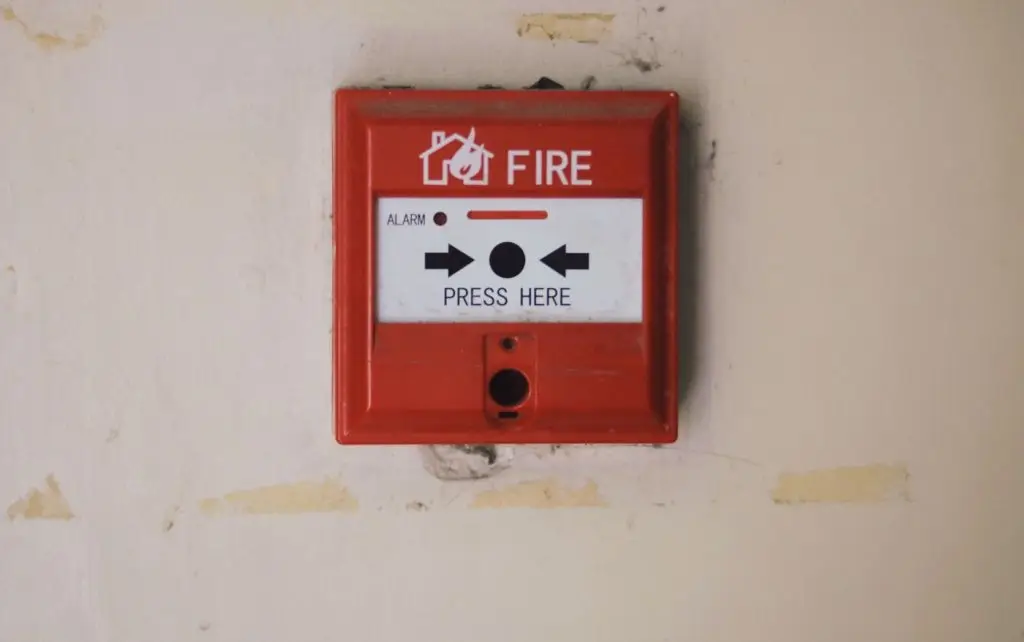
Offices, shopping centres, apartment blocks and other larger buildings usually have an automatic fire alarm system. Detectors throughout the building connect to a fire indicator panel, and in many buildings that panel is monitored and linked directly to Fire and Rescue NSW. When a detector activates, the fire brigade is dispatched automatically.
That is why you should never try to silence, reset or isolate a building fire alarm yourself unless you have been trained and authorised to operate that panel. Even when you’re sure it’s a false alarm, follow your building’s evacuation procedure and let the fire brigade or your fire services contractor confirm it is safe.
Isolating Detectors for Building Works
Some building works, such as cutting, welding, sanding or spraying, can trigger smoke and heat detectors. In these cases specific detectors or zones can be isolated temporarily, but it needs to be managed properly:
- The isolation is arranged with the building manager and carried out by a trained person or your fire services contractor.
- Only the detectors in the work area are isolated, never the whole system.
- The area is supervised while detectors are isolated, with a fire watch where required.
- Every isolation is restored as soon as the work finishes and recorded in the logbook.
A detector left isolated after the trades have gone home is a serious risk. It can also cause problems with your Annual Fire Safety Statement and your insurance.
The Cost of False Alarms
False alarms aren’t just disruptive. Fire and Rescue NSW responded to around 58,000 automatic fire alarm activations in 2025, and about 98% of them turned out to be unwanted. Monitored buildings can be charged for these call-outs, and the current false alarm charge in NSW is $1,656. The first false alarm in a 60-day period isn’t charged, and repeat alarms within 24 hours are treated as one event, but frequent false alarms add up quickly.
Common Causes of False Fire Alarms
Whether it’s a single smoke alarm at home or a building-wide system, false alarms usually come back to a handful of causes:
- Cooking: burnt toast, frying and fumes drifting from the kitchen.
- Steam: from showers and kettles, especially in small apartments.
- Aerosols and smoke: deodorant, hairspray, cigarettes and candles near a detector.
- Dust and insects: from building work, poor cleaning or bugs inside the detector chamber.
- The wrong detector type: a smoke detector fitted where a heat detector would suit better, such as near a kitchen.
- Poor maintenance: dirty or ageing detectors and systems that haven’t been serviced.
How to Stop False Alarms for Good
The best way to never need to disable a fire alarm is to stop the false alarms at the source. A few practical changes make a big difference:
- Turn on range hoods and bathroom fans, and keep doors closed while cooking or showering.
- Gently vacuum the vents of home smoke alarms every six months to remove dust and insects.
- Ask a professional whether a detector should be moved or swapped for a heat detector in problem areas.
- Make sure contractors are inducted and know how your building manages detector isolations.
- Have your building’s fire alarm system inspected and tested in line with AS 1851.
For commercial and strata buildings, regular inspection and testing picks up dirty, damaged or poorly placed detectors before they cause expensive call-outs. If your system is outdated or keeps faulting, our fire alarm installation team can upgrade detectors and panels to suit how the building is used today.
For houses and townhouses, our fire safety services for homes cover smoke alarm advice, fire blankets and extinguishers, so your home is protected without the nuisance alarms. We work with property managers and strata committees across Sydney, including the Sydney CBD and the Northern Beaches.
Frequently Asked Questions
How do I stop my smoke alarm from going off when I cook?
Press the hush button, turn on the range hood, open a window and keep the kitchen door closed. If it happens often, ask a professional whether the alarm is too close to the kitchen or should be a different type.
How long does the hush button silence a smoke alarm?
It depends on the model, but most alarms stay silenced for several minutes before returning to normal. The alarm will still sound again if the smoke gets heavier.
Can I remove a smoke alarm that keeps going off?
No. In NSW it’s an offence to remove or interfere with a smoke alarm except to maintain or replace it. Fix the cause or replace the alarm instead.
How do I turn off the fire alarm in my apartment building?
You shouldn’t. Follow the evacuation procedure and contact your building manager. Only trained people should operate the fire indicator panel, and monitored systems may already have alerted the fire brigade.
Who pays for a false fire alarm call-out in NSW?
Fire and Rescue NSW invoices the alarm monitoring provider, which then passes the charge to the building owner or manager who holds the monitoring contract.
Silencing a false alarm is usually quick and simple. Keeping the alarm working is what really matters. If your alarms keep sounding for no clear reason, the team at VQS Fire can find the cause and get your system back to working properly.